What is Mastitis?
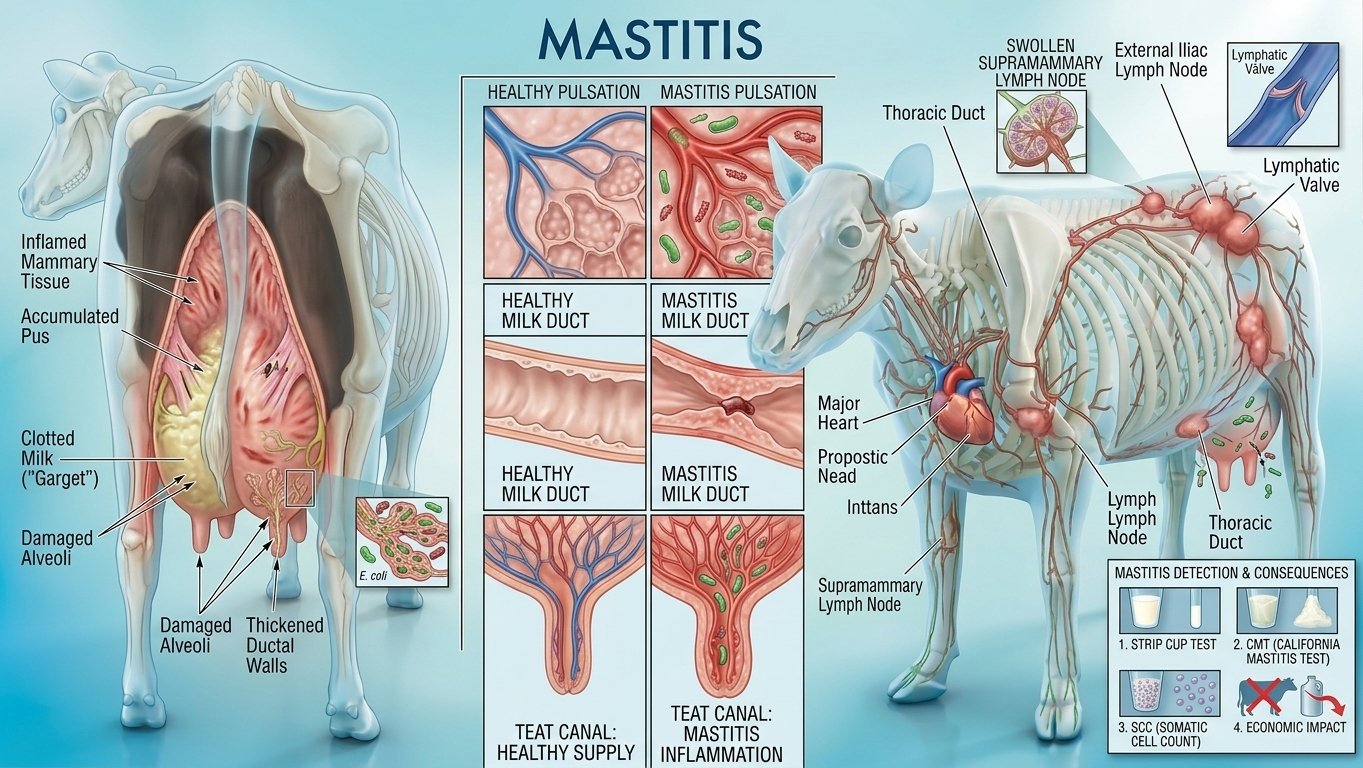
Mastitis is an inflammation of tissues of breast and udder, which results in swelling, redness, pain, fever (pyrexia), warmth, chills and loss of appetite (anorexia).
Explanation:
Mastitis can happen in both, breast feeding female humans and animals. The babies or calves who are involved in breatfeeding can cause Lactation Mastitis. The microorganisms transferred to babies in milk from their parents can infect them too but continuing breastfeeding is very important for a better baby growth.
Signs Of Mastitis/Symptoms Of Mastitis:
- Nipple discharge.
- High Temperature (Hyperthermia).
- Loss of appetite (Anorexia).
- Swelling in Udder.
- Breast tenderness or warmth.
- Wedge shaped pattern in Udder.
- Blocked mammary ducts.
- Redness, Purpleness, Blueish, Blackish (Gangrian Mastitis).
Causes Of Mastitis:
- Bacteria entering through cracked or sore nipples.
- Dirtied environment.
- Continuous supply of soilages.
- Fungal affected soilage.
- Milk Clotting.
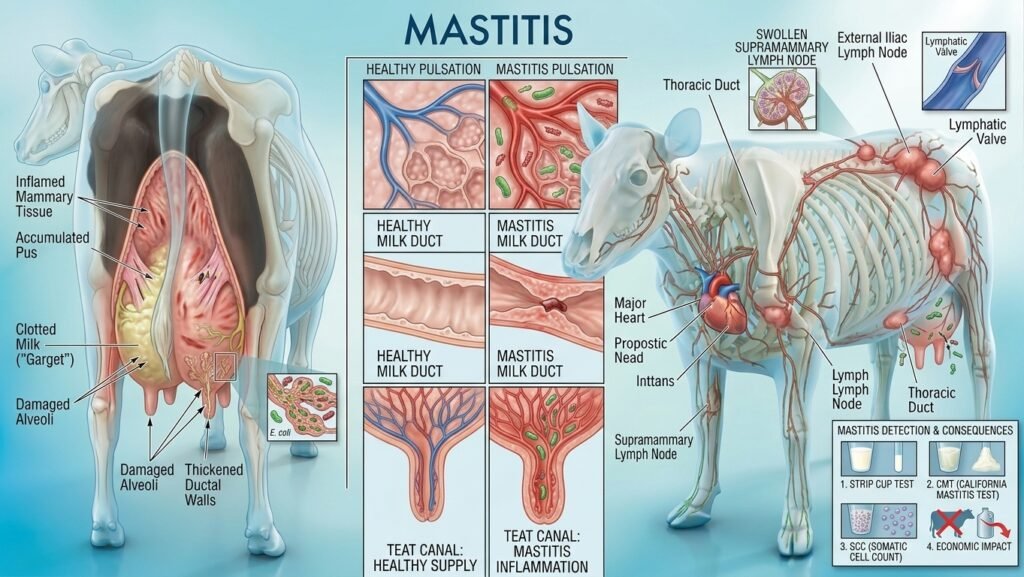
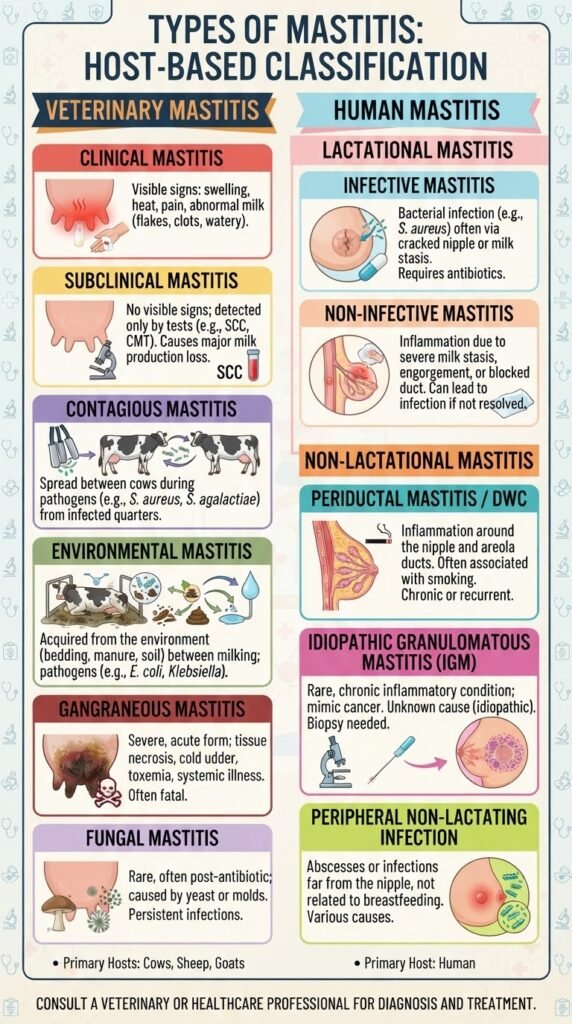
Types of Mastitis On The Basis Of Host
Veterinary Mastitis:
There are 7 different types of veterinary mastitis.
1. Clinical Mastitis: A type of mastitis that shows visible signs of inflammation like redness, swelling, loss of appetite, Hardness and fever.
- It is caused by Staphylococcus Aureus Bacteria.
- It can lead to acute mastitis too.
- Unique symptoms include Pus, Clots, Flakes (Milky threads) and Watery milk.
2. Sub Clinical Mastitis: A type of mastitis that does not show visible signs of inflammation.
- It is diagnosed by Somatic Cell Count Test and colouring agents for demonstration.
3. Contagious Mastitis: A type of mastitis that shows visible signs of inflammation like redness, swelling, loss of appetite, Hardness and fever. Its main symptoms include minor lambness, Yogurt or curd like Milk and One sided Swelled Shape Udder.
- It does not lead the animal to recombency (Downing of Animal).
- Another Technical Symptom of Contagious Mastitis is that, Only a small part of milk way to udder swell up beside the udder (Mostly occur near to Udder)
- It is caused by Staphylococcus Aureus and Streptococcus Agalactiae.
4. Coliform Mastitis: A type of mastitis that occurs due to environmental bacteria and causes inflammation.
- It is caused by E.Coli Bacteria. It is also known as E.Coli Mastitis, Environmental Mastitis and Toxic Mastitis.
- Its main symptom is watery milk in grey colour.
- It can cause Endo Toxemia as well, and result in recombency (Downing of Animal).
- In E.Coli Mastitis, The milk way to udder gets swellup across the whole abdomen.
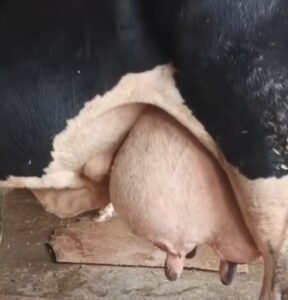
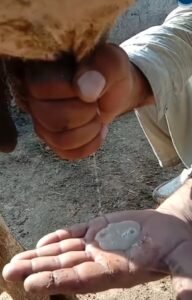
5. Gangraneous Mastitis: A type of mastitis in which gangrene occurs in the udder of animals, which results in blockage and clotting of milk.
- These gangrens release toxins which denature the mammary cells and result in udder toxicity.
- The process of cell denaturation occurs very quickly that’s why it can not be treated by anti toxin easily.
6. Fungal Mastitis: This type of mastitis occurs by fungal attack and can be treated by anti fungal drugs with fluconazole formula, like Flucon Tablets, Fulbederm Cream.
- It is mainly caused due to greenish bread and fungal soilage.
- Use toxin binders to control fungal mastitis.
7. Metabolic Mastitis: This type of mastitis occurs due to change in PH of an animal’s rumen (Metabolic instability) which results in abnormal growth of microbes, which moves to udder from blood and cause infection.
- It occurs due to continuous supply of soilage to animals which leads to increase in carbohydrate level.
Human Mastitis
On the basis of breast feeding, Mastitis in humans is mainly classified into two types i.e. 1. lactational mastitis 2. Non-lactational mastitis
Lactational Mastitis:
This type occurs in humans who are in the stage of breastfeeding, most commonly in the first few weeks after delivery or childbirth. It happens due to milk stasis (milk buildup from incomplete emptying) or bacterial entry through cracked skin.
Types of Lactational Mastitis:
There are two types of Lactational Mastitis.
- Infective Lactational Mastitis: This type of mastitis and is caused by Staphylococcus aureus bacteria. The bacteria enters the breast tissue, leading to pain, swelling, redness, and flu-like symptoms or fever.
- Non-Infective Lactational Mastitis (Inflammatory): This type of mastitis is not associated with breastfeeding and is caused by a blocked milk duct or milk stasis without an active bacterial infection, it can lead to an infection if left untreated.
Non Lactational Mastitis:
This type of mastitis affects mostly women who are not breastfeeding and lactating. It can also be caused in men. It is mainly caused of smoking, skin conditions, trauma, or chronic medical issues like diabetes.
Types of Non Lactational Mastitis:
- Periductal Mastitis:
An inflammation of the milk ducts right beneath the nipple of breast, heavily linked to smoking and often affecting women of reproductive age. It can cause nipple discharge, retraction, or recurrent painful abscesses.
- Idiopathic Granulomatous Mastitis:
A rare, chronic, and benign inflammatory condition that forms hard lumps in the breast and can lead to breast cancer.
- Peripheral Non-Lactating Infection:
A bacterial skin or tissue infection that occurs from areola, often seen in individuals with diabetes, previous breast surgery, or large breasts. It is also known as Cellulitis.
California Mastitis Test:
This test was first introduced in California’s lab to identify basically Sub clinical mastitis caused by bacteria. because this mastitis doesn’t show any naked symptoms. This test needs two basic ingredients i.e Suspected milk and CMT Reagent in ratio of ⅔. It is mainly used for somatic cell count.
Procedure:
- Add 10ml of milk in a beaker.
- Now take 15ml of CMT Reagent in the same beaker.
- Mix the solution for 8 Seconds (Maximum: 10 Seconds)
- Now take a viscometer and check the viscosity of milk and solution separately.
- If the viscosity of the solution is higher than milk. It means there is mastitis in that animal.
Treatment of Mastitis:
- First identify the type of mastitis and then use the drug of choice for it.
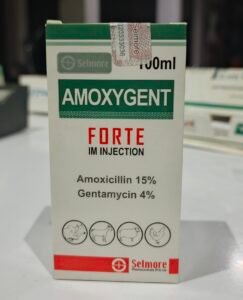
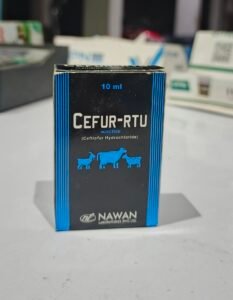
- Used Broad Spectrum Antibiotics only for better results (E.g: Amoxigent inj, Cefur RTU inj).
- Used Flunixin Meglumine (E.g: Loxivet inj) to decrease the temperature and Soft tissues pain.
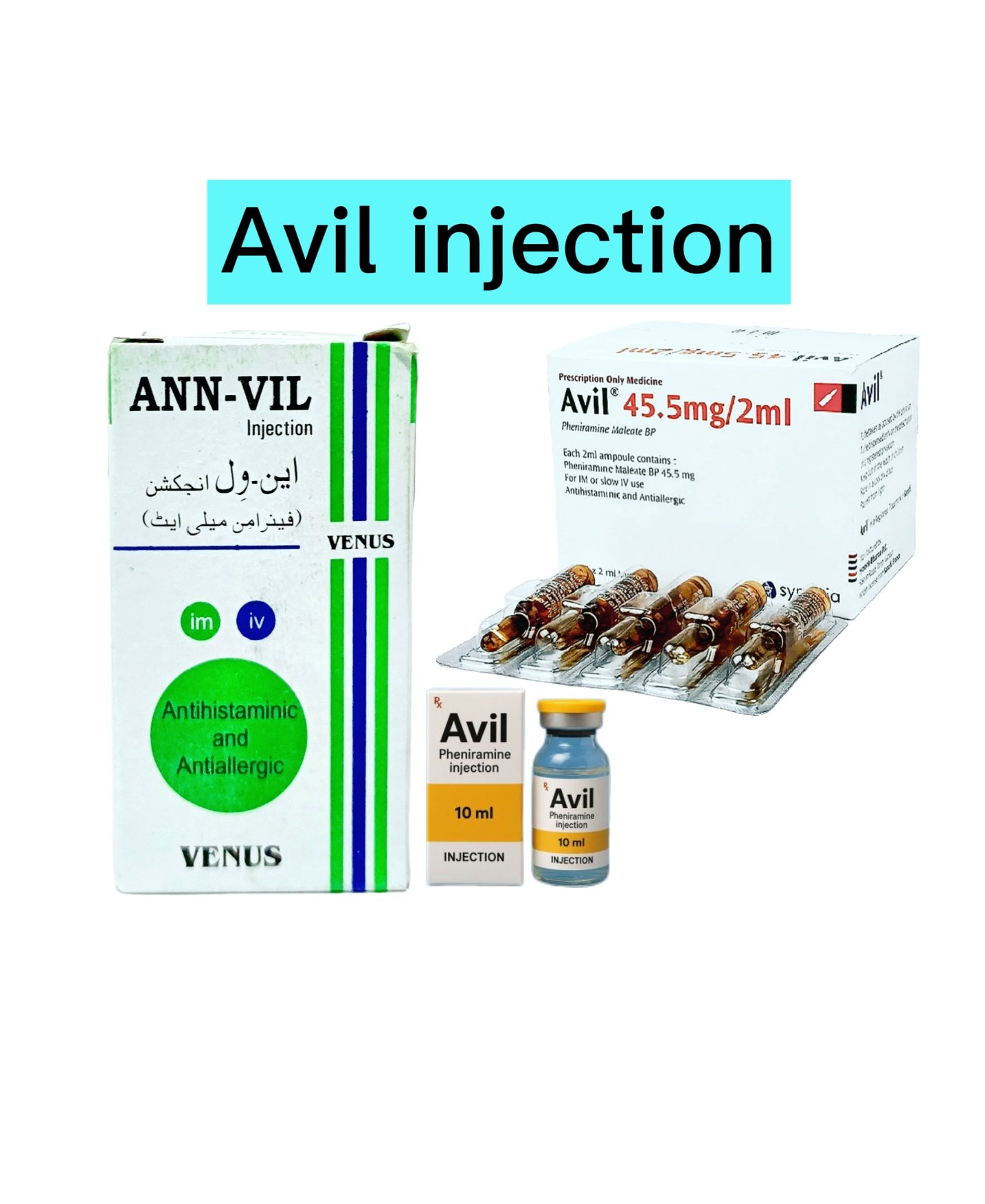
- Use mepyramine maleate too (E.g: Meprason).
- Use Fibrofit or Teatasole for massage of udder (Used in Veterinary).
- Use IMM Tubes (Antibiotics Containing Tube) inside udder.
Mastitis Antibiotics:
S. No | Name of Antibiotic | Composition | Company |
1 | Amoxigent Forte Inj | Amoxicillin + Gentamicin | Selmore |
2 | Amoxivet | Amoxicillin | LCI |
3 | Amovet LA | Amoxicillin | Nawan |
4 | Novamox LA | Amoxicillin 15% | Selmore |
5 | Cefur RTU | Ceftiofur HydroChloride | LCI |
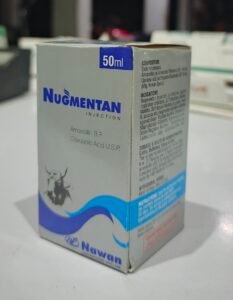
6 | Nugmenton | Amoxicillin + Clavulanic Acid | Nawan |
The drug of choice to be use against gram negative bacteria like E.Coli is “Amoxigent”. While “Cefur RTU” or “Nugmenton” can be used as a broad spectrum antibiotic in mastitis.
Precautions:
- Use a clean milking machine.
- Clean nipples before milking.
- Avoid using old breast covers.
- Use teat depth solution before milking
- Use a clean feeder for babies.
- Provide a Clean Surface to Animals.
- Use ichthammol Glycerin, 3 times a day at udder.
- Keep lactation continuously to avoid milk clotting.
- Used Broad Spectrum Antibiotics to treat the best.
- Keep distinct the uninfected animals from infected one.
Frequently Asked Questions:
- What is Mastitis? Mastitis is an inflammation of tissues of breast and udder, which results in swelling, redness, pain, fever (pyrexia), warmth, chills and loss of appetite (anorexia).
- What causes mastitis? Mastitis is mainly caused by bacteria entering through cracked or sore nipples. It is also caused due to dirtied environment, continuous feeding of soilage, fungal affected soilage and Milk Clotting. In humans, it is caused due to bacterial entry from dirty dress, sexual contact, food sharing, kissing and chewing of breast nipples.
- How to prevent mastitis? By providing a clean environment with ventilation, providing fresh food and soilage, Using a clean milking machine, using Teat solution, Anti fungal Spraying, and using the best choice of drugs for mastitis infected animals, you can prevent mastitis at farms easily.
- What does mastitis feel like? Symptoms like swelling, loss of appetite, fever, milk clotting, breast or Udder redness can feel like mastitis.
- Is mastitis dangerous? Yes, Mastitis like contagious, gangreneous and coliform mastitis can cause death, If it is not treated properly.
- What is Mastitis treatment at home? Massage the udder with Ichtamol Glycerin, Use paracetamol 4 tablets once a day. keep lactation continuously after child birth. Use Cefur RTU Inj for inflammation (dose per body weight) and flunixin meglumin inj for soft tissue pain in animals.
- How do you know if you have mastitis? Signs like redness, swelling, loss of appetite, fever, Yogurt like milk, Hardness of Udder, Inflammation, and Blocked Teats indicate the presence of clinical mastitis in veterinary. While sub clinical mastitis is identified by california mastitis test. In Humans, fever, Inflammation, Redness, Swelling are signs of Mastitis.