Introduction:
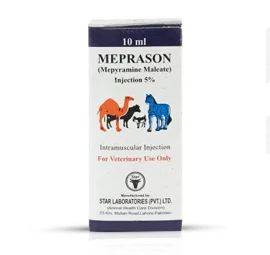
Mepyramine Injection is a First-generation antihistamine (H1-receptor antagonist) class of medicines, manufactured by Star Laboratories (Pvt) Ltd, Lahore, Pakistan.
How Does It Works?
Mepyramine is an antihistamine agent that targets the H1 receptor. Mepyramine is a histamine Hl receptor inverse agonist. It binds to a G protein-coupled form of the receptor and promotes a G protein-coupled inactive state of the H1 receptor that interferes with the Gq/11-mediated signaling. Mepyramine competes with histamine for binding at Hl-receptor sites on the effector cell surface, resulting in suppression of histaminic edema, flare, and pruritus. The sedative properties of Mepyramine occur at the subcortical level of the CNS. It is a first generation antihistamine.
Mepyramine Injections:
- Meprason 50ml
- Meramin 50ml
- I-Mepa 50ml
Uses of Mepyramine:
Mepyramine is used in
- Allergy
- Hypersensitivity reactions
- pruritic skin disorders.
- Cough suppressant
- Anti Inflammation
- Allergic Rhinitis (AR)
- Allergy to Tree Pollens
- Atopic Dermatitis
- Common Cold
- Insect Bites
- Pruritis of the skin
- Rhinorrhoea
- Urticaria
- Mastitis
- Treatment of pruritic skin disorders.
Contraindications:
The signs and symptoms that are produced after the acute overdosage of Mepyramine include
- Coma
- Convulsions (Seizures)
- Ataxia (loss of coordination
- Hyperpyrexia (High Temperature)
- Tremor (Shivering)
- Extrapyramidal effects
- Excitement
However, it rapidly permeates the brain and so often causes drowsiness as a side effect.
Route of Administration:
Mepyramine is used as intravenous and intramuscular in livestock.
Dosage of Mepyramine:
In Sheep and Goats:
3-5ml I.M, I.V. Repeat after 8-10 hours if required. Don’t administer more than 3 days.
In Horses & Cattle:
10-20ml I.M, I.V. Repeat after 8-10 hours if required. Don’t administer more than 3 days.
Storage:
Keep or store it at room temperature or below 30°C, protected from light. Do not freeze it. Keep out of the reach of children. Use immediately after opening / reconstitution the ceal.
Injections of Mepyramine:
- Hista Mate
- I – Mepa (IPL Company)
- Meprawits
- Mepro-Vee
- Zakrasan
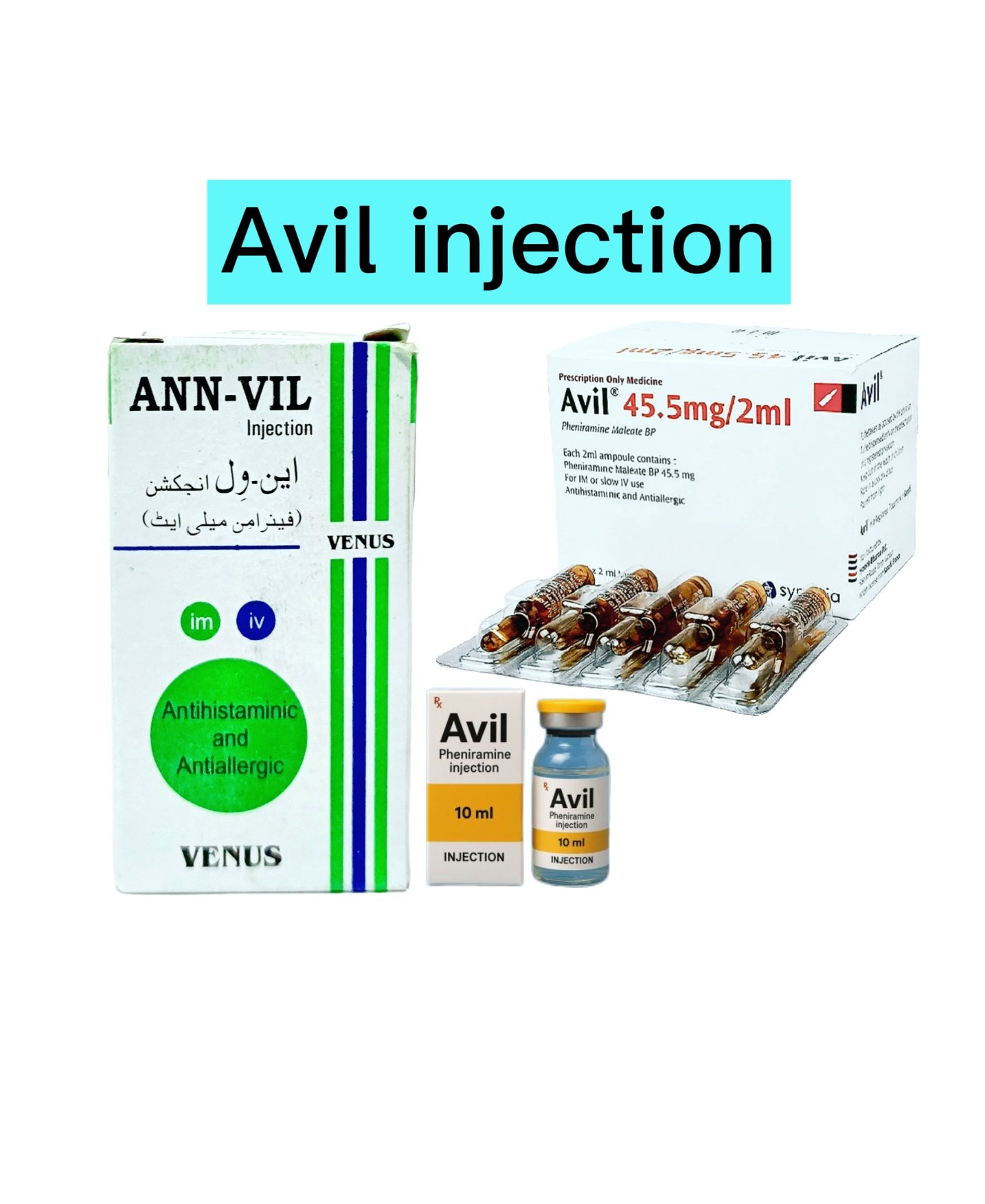
- Phenrasym injection: Composed of Pheniramine Maleate (Symans Company)
- Meramin injection: Composed of Mepyramine (Mylab Company)
Frequently Asked Questions
What is Meprason Injection used for?
Meprason Injection is an antihistamine injection, used to treat allergic and hypersensitivity reactions and in skin related diseases in veterinary livestock. It is administered under the supervision of an experienced and qualified veterinarian or veterinary doctor.
What is the composition of Meprason Injection?
Meprason Injection contains Mepyramine 50 mg per milli liter (50g/ml). It is manufactured by Star Laboratories (Pvt) Ltd, Lahore, Pakistan.
Who manufactures Meprason Injection?
Meprason Injection is manufactured by Star Laboratories (Pvt) Ltd (Established in 1962), which is a WHO-GMP certified human and veterinary pharmaceutical manufacturer in Lahore, Pakistan.
What is Mepyramine used for?
Mepyramine is used in allergy, hypersensitivity reactions, pruritic skin disorders, severe cough, Inflammation, allergic rhinitis (AR), allergy to tree, pollens, atopic dermatitis, common cold, insect bites, pruritis of the skin, rhinorrhoea, urticaria, mastitis and pruritic skin disorders.
What are the side effects of mepyramine?
The signs and symptoms that are produced after the acute overdose of Mepyramine include coma, convulsions (seizures), ataxia (loss of coordination), hyperpyrexia (high temperature), tremor (shivering), extrapyramidal effects, excitement.
What is Mepyramine used for?
Mepyramine is used in allergy, hypersensitivity reactions, pruritic skin disorders, severe cough, Inflammation, allergic rhinitis (AR), allergy to tree, pollens, atopic dermatitis, common cold, insect bites, pruritis of the skin, rhinorrhoea, urticaria, mastitis and pruritic skin disorders.