Lumpy Skin Disease is a viral infection caused by the lumpy skin disease virus (LSDV), affecting cattle, buffalo, and wild ungulates. LSD virus is a member of the Capripoxvirus genus. It is found mainly in Africa but has spread to the Middle East, the Balkans, Asia, and southern Europe. LSD is a WOAH-notifiable transboundary disease and has a heavy economic impact on livestock trade and dairy/beef production.
Recent spread: LSD is not just a historical African disease anymore, it has spread in Western Europe in 2025, it has reported in Italy, France, and Spain too, Beside this, it also spread to Korea in 2023, requiring emergency mass vaccination of millions of cattle.
LSD Virus:
LSDV is a DNA poxvirus closely related to sheeppox and goatpox viruses. These three viruses share neutralizing epitopes, which is why cross-protective vaccines work, and that’s why goatpox viruses is used as a vaccine against LSD.
Causes Of Lumpy Skin Disease:
- Vector-borne transmission: This disease spreads mainly through biting and blood feeding insects, flies, mosquitoes, and ticks, which mechanically carry the virus between animals.
- Direct contact: Direct transmission is not considered a major route during outbreaks, but it can occur through contaminated saliva, semen, milk, or skin lesions.
- Shared resources: Contaminated feeding troughs, water sources, water buckets, milking machines and even artificial insemination can also spread infection.
- Movement of animals: Trading and grazing in one place of infected and uninfected animals in the field is also a way of transmission of this disease.
Signs & Symptoms Of Lumpy Skin Disease:
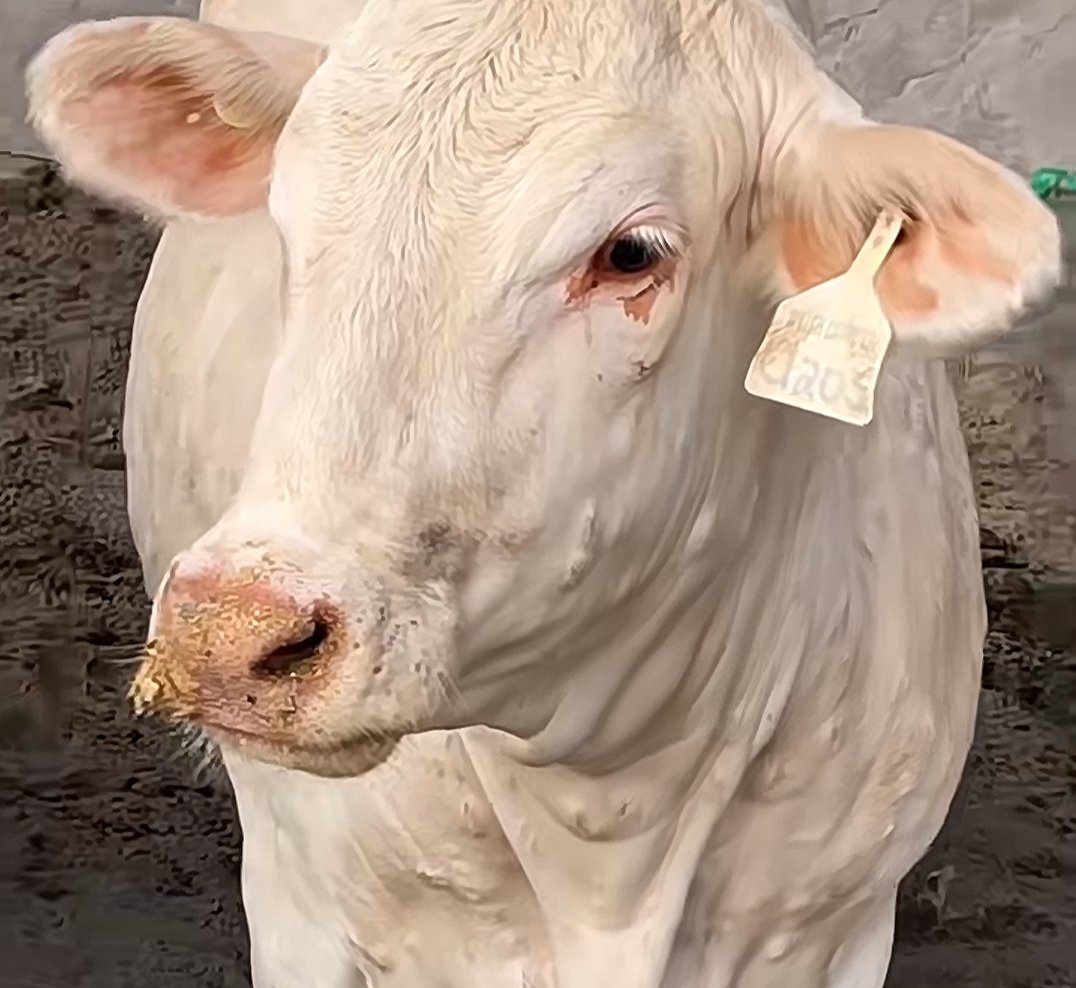
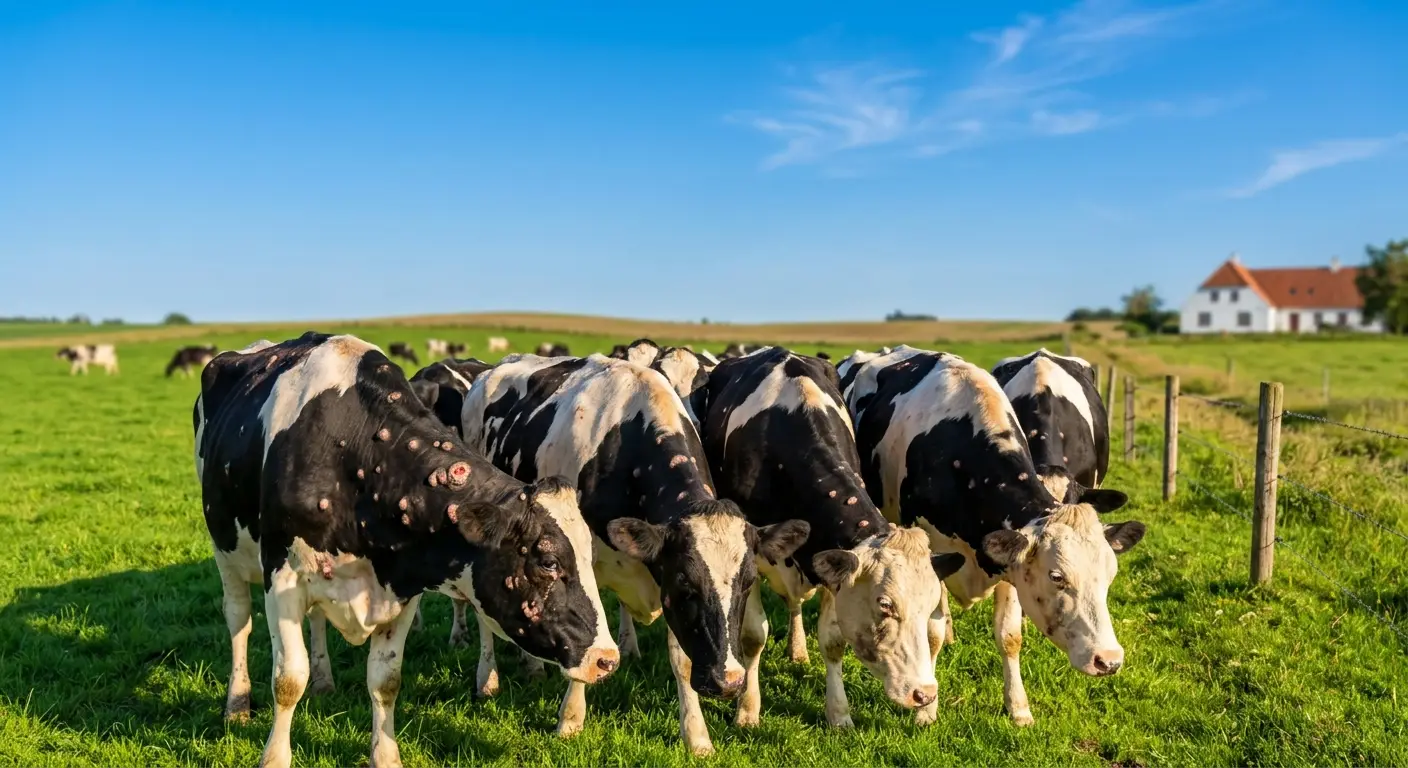
Lumpy skin disease affects the lymph nodes, which result in enlargement of them, and produces cutaneous nodules 2–5 cm in diameter on the head, neck, limbs, udder, genitalia, and perineum.
Other common signs:
- Pyrexia (High fever)
- Sudden drop in milk production
- Runny nose
- Watery eyes (lacrimation)
- Hypersalivation (High Salivation)
- Anorexia (Loss of appetite)
- Depression
- Damaged hides and emaciation
- Swollen lymph nodes in severe cases
- Ulcers in the digestive system
- Abortion in pregnant cows
- Pussy nodes covering the skin
LSD Time Period:
The incubation period, the time between infection and symptoms is hardly 28-30 days according to the FAO. Nodules can be superficial or evolve into large, necrotic lesions (“sit-fasts”) that take weeks to heal and can permanently scar the hide.
Lumpy Skin Disease Vaccine:
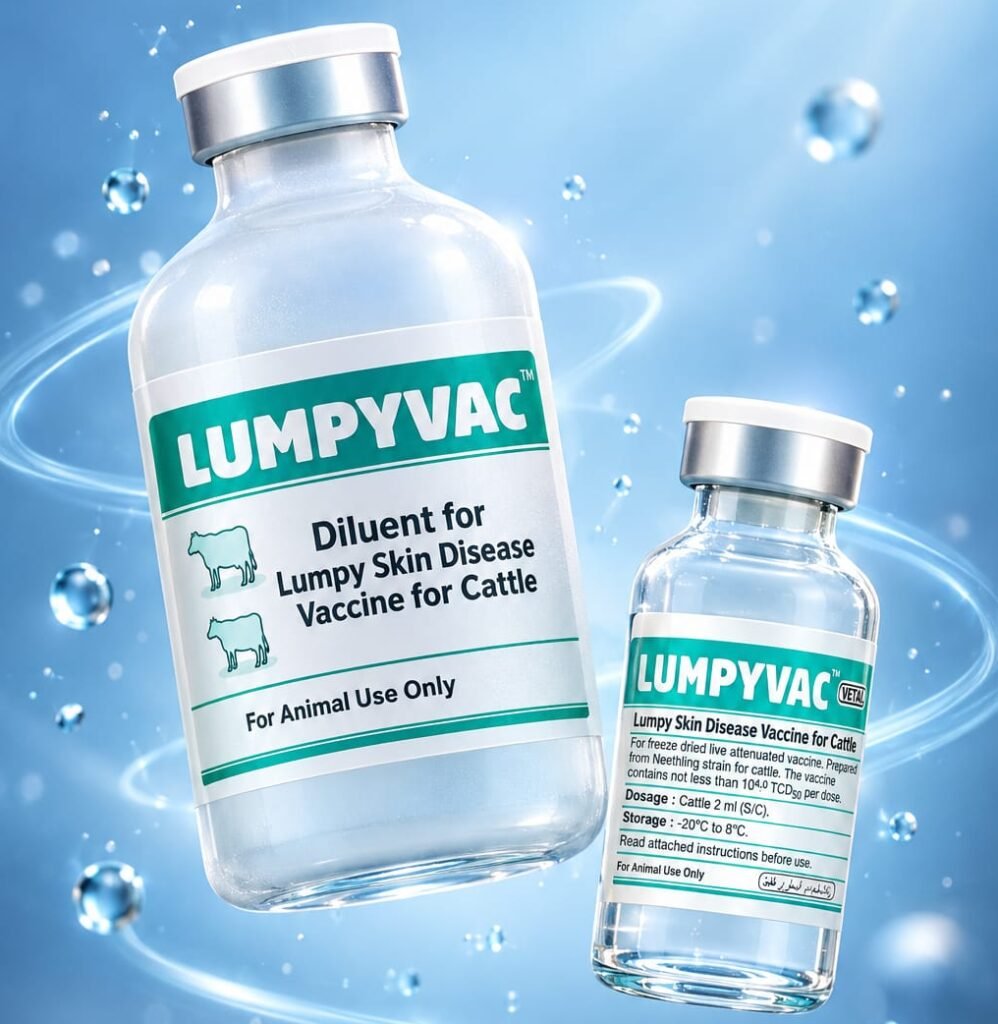
Vaccination is the primary control tool, especially in endemic or actively outbreak-affected regions. Live attenuated LSDV vaccine provides the best protection, though there are concerns about reversion to virulence and vaccine-strain spread. LSD vaccines develop and activate the immune system against the lumpy skin viruses which can attack the host in future.
LSD Dosage: LSD Vaccine is found in 1 Dose, 10 Dose Vile, 25 Dose Vile and 50 Dose Vile. Each dose contains 2ml of vaccine.
LSD Vaccines Alternatives: Live attenuated sheeppox and goatpox virus’s vaccines are slightly less protective but are safe in cattle.
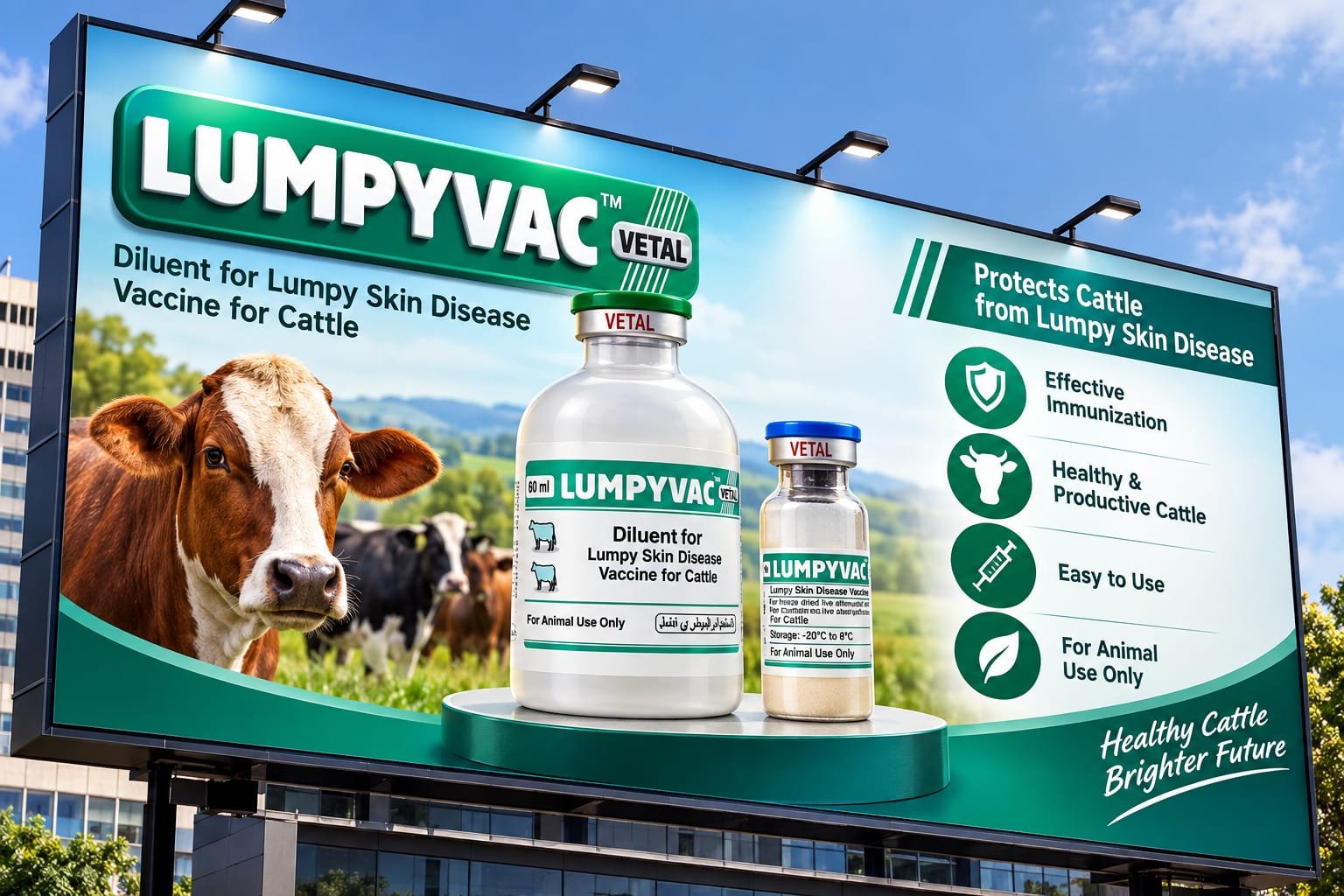
Commercial Vaccines: Lumpyvax (South Africa), LUMPYVAC (Turkey), and Onderstepoort Biological Products’ LSD vaccine are used as a vaccine for immunity development to incoming LSD Viruses.
Practical challenges: Immunity isn’t always lifelong, so booster doses are needed annually to recover or maintain immunity against it.
Lumpy Skin Disease Treatment
There is no specific antiviral drug to treat LSD but some drugs are used to slow down and cover the infections like Fever, Wounds, Anorexia etc
Antibiotics to prevent/treat secondary bacterial infections in open lesions
- Use only one dose of “Ivermectin 1%” to slow down the growth and replication of LSD Virus (To control external parasites)
- Use “Meloxican” in Pregnant animals and “Flunigxin Meglumin” in Milking Cattles, Heifer, or Calves to treat and reduce fever and soft tissue pain
- Use “5 Gram Penicillins antibiotic” for wound care for skin nodules to prevent fly strike and infection
- Provide “Colic syrups, Live Yeasts or Supportive fluids (Carminate Syrup)” to increase appetite, especially for animals with reduced appetite or milk drop
- Use Immunity boosters to provide acquired immunity to animals to defend against LSD.
- Use wound care sprays on wounds to recover properly.
- Veterinary supervision for severe cases, especially with respiratory or digestive ulcers
Continue the treatment minimum to 5 days to treat the animals, but recovery often takes several weeks to months, and scarring or hide damage can be permanent even after recovery.
Transmission Of Lumpy Skin Disease
Insect Vectors:
- Biting flies: flies (Stomoxys calcitrans) and house flies act as mechanical carriers.
- Mosquitoes: Certain species feed on infected blood and transmit the virus through mechanical contact.
- Ticks: Browny Bloody Ticks can carry the virus through blood, though insect-borne spread is faster.
Direct and Indirect Contact:
- Animal movement in farms: Movement of infected animals in farms is the main way the virus travels long distances.
- Contaminated items: Feed, water, and equipment can hold the virus from saliva, skin scabs, or milk.
- Direct or sexual contact: Touching sick animals plays a smaller role, but the virus is present in skin nodules, blood, and semen.
Prevention Tips For LSD
- Vaccinate the animals on time before infection.
- Use insecticides/repellents, manage standing water, and reduce fly breeding sites around barns.
- Restrict animal movement introducing them to the herd.
- Avoid shared needles, and separate sick animals immediately.
- Early detection and reporting to veterinary authorities helps contain outbreaks before they spread regionally.
- limit exposure to wildlife, unknown herds, or animals from LSD-affected regions.
- Provide good nutrition and stress reduction support.
Factors Affecting Recovery
- Severe Secondary Infections: Severe infections include bacterial infections, respiratory diseases (Pneumonia) or necrosis that take much longer to heal.
- Immunity and Nutrition Care: Good immunity supplements, rich nutrients supply, clean wound care, and supportive treatments like vitamins supply, anti-inflammatories, and antibiotics for secondary infections) can speed up recovery.
- Immunity After Recovery: Cows that successfully recover generally develop permanent immunity against future infections.
Frequently Asked Questions
How is LSD transmitted?
LSD is transmitted mainly by blood-feeding vector insects such as mosquitoes, biting flies, and ticks.
How is LSD absorbed in the body?
LSD is absorbed into the body through the mucous membranes in the mouth or through the digestive tract when swallowed.
What drug is closest to LSD?
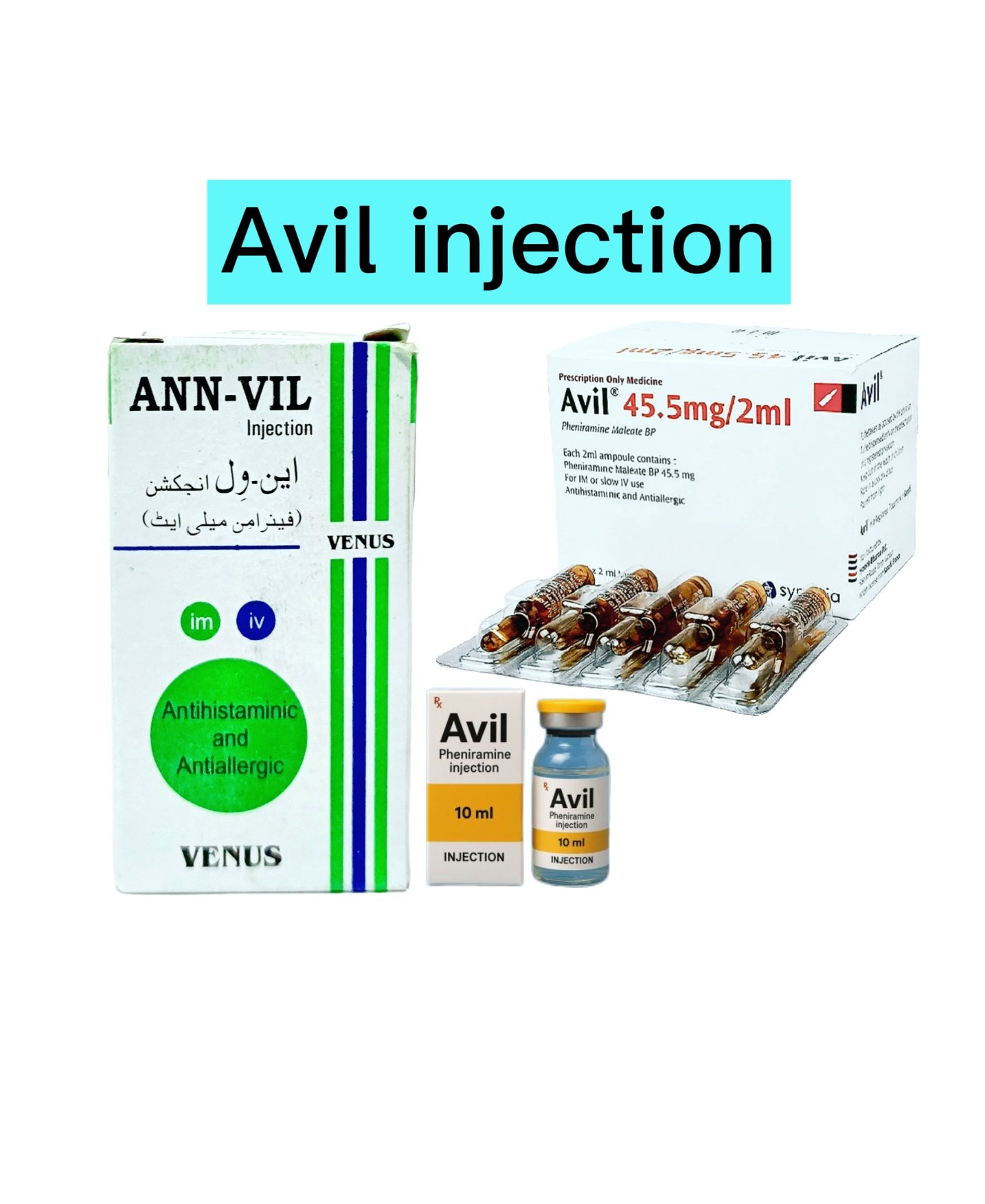
A technical point that most of the veterinarians do not know (except Vet Dr. Taimur of Taimur Veterinary & Pets Clinic Peshawar) about the control of LSD is that, one dose of Ivermectin 1%, controls the growth of Lumpy skin disease. Beside this use Penicillins 5gram (Penbiotic) for wounds recovery (Don’t Use in lactation Stage, Melonic for Pyrexia Control, Avil for allergy, and Teragen Plus spray on wounds to protect them from environmental flyies infection.
What Is Lumpy Skin Disease?
Lumpy Skin Disease is an infectious viral disease caused by the Lumpy Skin Disease Virus (LSDV), a member of the Capripoxvirus genus. It primarily affects cattle and water buffalo and is transmitted mainly by blood-feeding vector insects such as mosquitoes, biting flies, and ticks.
What is the LSD vaccine?
Vaccination is the primary control tool. Live attenuated LSDV vaccine provides the best protection, though there are concerns about reversion to virulence and vaccine-strain spread. LSD vaccines develop and activate the immune system against the lumpy skin viruses which can attack the host in future.
Can we drink milk of a lumpy skin disease cow?
Yes, You can safely take and drink boiled milk from an LSD infected cow, Because this disease is non-zoonotic and does not transmit to humans.
What is the best treatment for lumpy skin disease in cattle?
There is no direct treatment of any viral disease, While to control LSD, use one dose of Ivermectin 1%. Beside this Use penicillin 5g, ,meloxicam, pheniramine maleate. Use these three drugs for five days continuously. Use Teragen Plus, Cortisel or OTC spray on wounds too, to protect them from infection caused by flies.
Can lumpy skin disease be cured?
Lumpy Skin disease has no direct treatment but can be controlled by the use of one dose of Ivermectin 1%. Beside this Use penicillin 5g, ,meloxicam, pheniramine maleate. Use these three drugs for five days continuously. Use Teragen Plus, Cortisel or OTC spray on wounds too, to protect them from infection caused by flies.
What is the vaccine for lumpy skin disease in cattle?
Lumpyvax (South Africa), LUMPYVAC (Turkey), and Onderstepoort Biological Products’ LSD vaccine are used as a vaccine for immunity development to incoming LSD Viruses. LSD Vaccine is found in 1 Dose, 10 Dose Vile, 25 Dose Vile and 50 Dose Vile. Each dose contains 2ml of vaccine. A LSD vaccinated cattle may be affected from lumpy skin disease within 14 days after vaccination.
Why is ivermectin used in lumpy skin disease?
Ivermectin is used in lumpy skin disease (LSD) to help control external parasites from carrying the virus with themself, which can infect the cattle more.
What are the first signs of lumpy skin disease?
The first sign of lumpy skin disease is pyrexia, high fever (40°C or 104°F). Beside this, swollen lymph nodes, anorexia (loss of appetite), watery eyes (lacrimation) and nasal discharge are also signs of Lumpy skin disease. Within 48 hours after the fever starts, it will contain round lumps of 5cm diameter.
How long does it take for a cow to recover from lumpy skin disease?
It takes weeks to months (2 or 3 weeks to 2 months) for a cow to recover from lumpy skin disease after a proper treatment. Recovery can be speed up by clean wound care , good immunity and nutritional supplements.
How is lumpy skin disease spread?
lumpy skin disease spreads mainly through biting and blood feeding insects, flies, mosquitoes, and ticks, which mechanically carry the virus between animals.
Is lumpy skin disease harmful to humans?
No, lumpy skin disease is not harmful to humans, because this disease is non-zoonotic and does not transmit to humans.
How to prevent lumpy skin disease in cattle?
Vaccination is the most effective way to prevent lumpy skin disease in cattle before they get infected. Proper ventilation and anti-bacterial, viral and fungal spraying is better to keep the animals safe from lumpy skin disease.
Which antibiotic is best for lumpy skin disease?
Nugmenton (Amoxicillin + Clavulanic acid), Cefur RTU (Ceftiofur) or Cefanome (Cefquinome) are used as a choice of antibiotic drugs in lumpy skin disease.
Is there an injection treatment for lumpy skin disease?
There is no direct injection used for lumpy skin disease BUT lumpy skin disease serums are used to animals during lumpy skin disease.
What is the best vaccine for lumpy skin disease?
Lumpyvax (South Africa), LUMPYVAC (Turkey) are the best vaccines used for lumpy skin disease. Besides this Russian vaccines are also used in Russia, Central Asia, India and so others.